Luxena: A Serif Font That Commands Attention
There's a particular kind of visual authority that comes from well-crafted serif typography. It's the difference between a design that whispers and one that speaks with quiet confidence. When you need type that carries weight without shouting, that feels both contemporary and timeless, the choice of font becomes critical. This is where Luxena enters the conversation—a bold, minimalist serif built for designers and creators who understand that typography isn't just about letters on a page, but about the impression those letters leave behind.
The Anatomy of a Confident Typeface
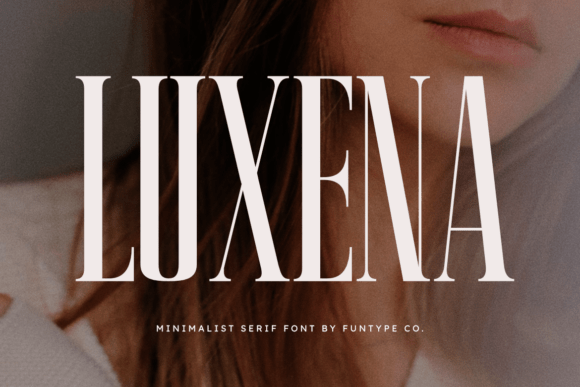
Luxena's design philosophy centers on refined strength. Its tall, structured letterforms create an immediate sense of vertical elegance, while the clean serif lines avoid the fussy ornamentation that can make traditional serifs feel dated. Each character has been drawn with precision—stroke weights feel intentional, spacing feels balanced, and the overall rhythm of text set in Luxena reads as both polished and purposeful.
What makes this premium font particularly useful is its versatility within a specific aesthetic range. It doesn't try to be everything to everyone. Instead, it excels in contexts where sophistication meets modernity. The serifs are present but restrained, giving text a grounded quality without the heaviness of slab serifs or the formality of classical typefaces. Think of it as the typographic equivalent of a well-tailored blazer—structured, clean, and appropriate across a surprising range of settings.
Where This Serif Font Truly Shines
Consider a luxury skincare brand launching a new product line. The packaging needs to communicate premium quality at a glance. Luxena's elegant proportions work beautifully on box labels, bottle fronts, and shelf displays. The letterforms hold their integrity at various sizes, which matters when you're scaling from a tiny ingredient list to a large-format window display. This kind of packaging design demands type that performs consistently across contexts.
For editorial designers working on magazine layouts, annual reports, or lookbooks, Luxena offers a compelling headline option. Its bold weight commands attention on a page crowded with imagery, while its refined details reward closer inspection. Pair it with a clean sans serif font for body text, and you get a typographic hierarchy that feels both dynamic and cohesive.
Digital applications reveal another dimension of this typeface. Social media graphics benefit enormously from fonts that read well at thumbnail sizes while still looking striking at full resolution. Whether you're designing Instagram carousels, Pinterest pins, or Facebook cover images, Luxena's clear letterforms maintain legibility even when compressed or viewed on small screens. Blog headers, website hero sections, and email newsletter banners all become opportunities to establish visual consistency with a single, well-chosen typeface.
Building Brand Recognition Through Typography
One of the most overlooked aspects of brand identity is typographic consistency. A business might invest in a beautiful logo design, carefully selected color palette, and professional photography—then undermine all of that effort by using a different font on every piece of marketing material. Luxena, as a creative font with a distinct personality, can anchor an entire visual system when chosen thoughtfully.
Imagine a boutique hotel chain using Luxena across its touchpoints. The room key cards, the restaurant menus, the website booking confirmation emails, the social media ads, the printed brochures—all carrying the same typographic voice. Over time, customers begin to associate that specific visual rhythm with the brand's personality. This is how typography moves from decoration to strategic asset.
For entrepreneurs developing their first brand identity, the temptation often exists to chase novelty—switching fonts frequently, mixing too many styles, or choosing display fonts that feel exciting but lack staying power. A typeface like Luxena offers a middle path. It has enough character to feel distinctive, but enough restraint to remain relevant as your brand evolves. That balance matters when you're building something meant to last.
Practical Font Pairing and Usage Tips
No font exists in isolation. Even the strongest typeface needs companions for body copy, captions, and supporting text. When working with Luxena, consider these pairing approaches:
- With geometric sans serifs: Fonts like Montserrat, Futura, or Poppins create a clean modern contrast. The geometric shapes play against Luxena's more structured serifs, producing visual interest without conflict.
- With humanist sans serifs: Options like Open Sans or Lato offer warmth and excellent readability at smaller sizes, complementing Luxena's headline presence without competing for attention.
- With script or handwritten fonts: For invitations, event materials, or lifestyle branding, pairing Luxena with a restrained script font adds personality. Keep the script limited to accent words or subheadings to avoid visual clutter.
Readability should always guide your decisions. Luxena's tall proportions make it excellent for headlines and display text, but for extended paragraphs of body copy—especially at small sizes on screens—a more traditional text-optimized font will serve your audience better. Use Luxena where it matters most: the first thing someone reads, the words that frame your message, the typography that sets the mood.
Always test your font pairings in context. A combination that looks beautiful in a design mockup might feel different when applied to a real product, a live website, or a printed brochure. View your typography at the actual size it will appear. Check it on mobile devices. Print a test page. These practical steps separate professional-quality design from work that only looks good on a designer's monitor.
Considering Commercial Use and File Formats
Luxena ships in both OTF and TTF formats, which covers compatibility across essentially every design platform—from Adobe Creative Suite to Canva, from Figma to Microsoft applications. This matters for teams where different members might use different software, or for businesses that need their font to work across internal documents and external marketing materials.
Before using any commercial font in client work or product designs, review the licensing terms carefully. Most premium fonts distinguish between personal and commercial licenses. If you're designing merchandise for sale, creating digital products like templates or planners, or producing marketing materials for a business, you'll typically need a commercial license. Understanding these terms upfront prevents headaches later and respects the work of the type designers who created the font.
Making Typography Work for Your Projects
The real value of a typeface like Luxena isn't in its technical specifications—it's in the decisions it enables. When you have a reliable, visually compelling serif font in your toolkit, you spend less time searching and more time creating. You develop a typographic instinct for when bold serif lines serve a project better than a sans serif alternative. You learn to match type to tone, font to audience, letterforms to message.
Whether you're designing a wedding invitation suite, building a fashion brand's visual identity, creating digital posters for an event, or laying out a professional portfolio, the fonts you choose communicate before anyone reads a single word. They set expectations. They create atmosphere. They signal quality—or the lack of it.
Typography deserves the same strategic thinking you bring to color choices, imagery, and copywriting. A typeface like Luxena, with its confident structure and refined details, gives you a strong foundation for that thinking. The rest is about application, experimentation, and the kind of careful attention to detail that transforms good design into great communication.