Why The Lucky Chunks Script Font Feels Like a Handwritten Hug
You know that feeling when you open a beautifully wrapped gift and the card inside just feels special? The handwriting flows with a certain warmth, an elegance that makes the message land differently than if it were printed in some generic blocky typeface. That emotional connection is exactly what The Lucky Chunks brings to your design projects. This stylish and incredibly elegant script font doesn't just sit on the page—it communicates a mood, a personality, and a sense of care that can transform ordinary text into something genuinely memorable.
I remember stumbling across this font while working on a wedding stationery project for a friend. We needed something that looked hand-lettered but polished enough for professional printing. The moment I typed out the couple's names in The Lucky Chunks, everything clicked. The letters had this beautiful, flowing rhythm with just enough imperfection to feel authentic, but enough consistency to remain completely readable. It struck that rare balance between artistic flair and practical usability that so many script fonts miss.
Understanding What Makes This Script Font Stand Out
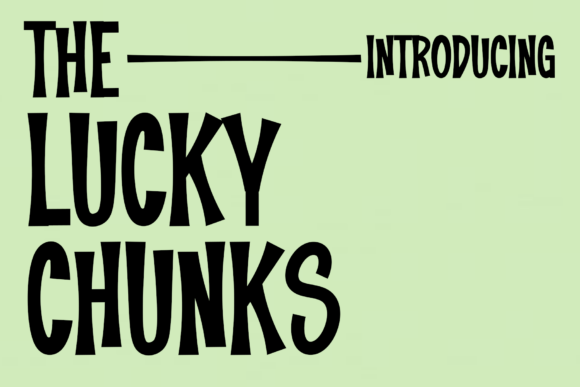
Let's talk about what you're actually getting with The Lucky Chunks as a creative font option. The letterforms feature graceful connections between characters, with varying stroke widths that mimic the natural pressure changes of real handwriting. Unlike some script fonts that feel stiff or overly digitized, this one maintains an organic quality throughout. The swashes and flourishes add personality without overwhelming the text, which means you can use it for both short display text and slightly longer phrases without readability suffering.
What really impressed me is how the font handles different letter combinations. Some script fonts create awkward joins where certain letters meet—think "br," "ol," or "th"—but The Lucky Chunks navigates these transitions smoothly. The designer clearly spent time studying how letters naturally flow into one another when writing by hand, and that attention to detail shows in every word you type.
Where This Font Truly Shines in Real Projects
I've seen designers use The Lucky Chunks across an impressive range of applications, and the results consistently look fantastic. Here's where it really earns its place in a font library:
- Wedding invitations and event stationery — This is probably its sweet spot. The font looks stunning on wedding invitations, thank you cards, quotes, greeting cards, and any piece where you want that personal, romantic touch. The elegance reads perfectly for formal occasions while still feeling approachable.
- Logo design and brand identity — For businesses that want to communicate warmth, authenticity, or artisanal quality, incorporating this handwritten font into a logo can be incredibly effective. Think bakeries, boutique clothing brands, handmade jewelry lines, or lifestyle coaches. The font immediately signals that there's a real person behind the brand, not just a corporate machine.
- Packaging design — If you're creating product labels, box designs, or tags for physical goods, script typography like The Lucky Chunks adds a premium, crafted feel. I've seen it used beautifully on candle labels, soap packaging, and specialty food products where the visual presentation needs to match the quality of what's inside.
- Social media graphics — Instagram quotes, Pinterest pins, Facebook headers, and promotional graphics all benefit from a font that stops the scroll. The visual distinctiveness of this script font helps your content stand out in crowded feeds, especially when paired with clean sans-serif fonts for body text.
- Website headers and blog design — While you wouldn't set an entire paragraph in any script font, using The Lucky Chunks for hero text, section headers, or pull quotes on a website creates visual interest and establishes brand personality. It works particularly well for lifestyle blogs, creative portfolios, and service-based business sites.
- Print materials and editorial layouts — Magazine features, lookbooks, posters, and flyer designs can all leverage the font's elegant character. Editorial designers often use script fonts for drop caps, feature titles, or accent text to break up the visual monotony of standard serif and sans-serif typefaces.
- Merchandise and digital products — From t-shirt designs to printable wall art, digital planners to ebook covers, The Lucky Chunks adapts well to both physical and digital product design. If you're selling on Etsy or running a creative business, having a go-to premium font like this in your toolkit saves hours of searching for the right typographic voice.
Matching Typography to Your Project Goals
Here's something I've learned after years of working with different typefaces: the font you choose is never just about aesthetics. It's a strategic decision that affects how people perceive your message, your brand, and your credibility. The Lucky Chunks communicates specific qualities—elegance, warmth, personal attention, creativity—and those qualities need to align with what your project is trying to achieve.
Before reaching for any script font, ask yourself what emotion you want your audience to feel. If the answer involves trust, intimacy, celebration, or handcrafted quality, then a font like this is a strong choice. If you're designing for a tech startup, a law firm, or a medical practice, you'd probably want to reserve it for accent elements only, if at all. Context matters enormously in typography.
One practical approach I recommend: gather three to five examples of designs you admire in your niche and study their font choices. Notice how they use script fonts alongside serif fonts or sans-serif fonts. You'll start seeing patterns—most successful brands use script or handwritten fonts sparingly, as a highlight rather than the main workhorse. The Lucky Chunks works best when it gets room to breathe, surrounded by simpler typefaces that support rather than compete with it.
Font Pairing and Readability Considerations
Speaking of font pairing, this is where many designers—especially those newer to typography—get stuck. A beautiful script font can fall flat if it's fighting with its companion typeface. Here's what I've found works well with The Lucky Chunks:
Clean, geometric sans-serif fonts create a lovely contrast. The structured, minimal letterforms of a typeface like Montserrat or Lato let the script font take center stage while keeping supporting text highly readable. If you prefer something with more traditional character, a classic serif font like Playfair Display or Cormorant can create a sophisticated, editorial feel when paired with this script.
Readability deserves serious attention whenever you're working with any display font or script font. The Lucky Chunks maintains reasonable legibility at medium to large sizes, but like all script typefaces, it struggles when reduced too small. For body text, always choose something simpler. Reserve the script for headlines, names, short phrases, or decorative elements where its personality can shine without making readers squint.
Also pay attention to letter spacing and line height. Script fonts generally need more generous spacing than their sans-serif or serif counterparts. If your text feels cramped, add some tracking. If lines of script text overlap, increase your leading. These small adjustments make a massive difference in the final presentation.
Practical Steps Before You Commit
If you're considering adding The Lucky Chunks to your design assets, take a few minutes to test it properly before incorporating it into a project. Type out the actual words and phrases you'll be using—not just the alphabet, but real content. Check how specific letter combinations look in your context. Some script fonts handle certain words beautifully while creating awkward spacing in others, and you want to catch that early.
Review the included font styles and character sets. Many premium fonts come with alternates, ligatures, and additional glyphs that give you more creative flexibility. Understanding what's available means you can make the most of the font's capabilities rather than settling for default settings.
And please, take licensing seriously. If you're using any commercial font for client work, merchandise, or business materials, confirm that your license covers that use. Most premium font licenses distinguish between personal and commercial applications, and respecting those terms protects both you and the type designer who created the work.
At the end of the day, typography is one of those design elements that people notice subconsciously. They might not be able to articulate why a wedding invitation feels elegant or why a product tag looks premium, but the font choice is doing heavy lifting behind the scenes. The Lucky Chunks gives you a tool for creating that emotional resonance—whether you're designing something for a client, building your own brand, or simply making something beautiful for the joy of it.