Wieynck Fraktur: A Bold Blackletter for Distinctive Branding
There's a moment in every creative project where the typography makes or breaks the design. You've nailed the color palette, the layout feels balanced, but the text just sits there—flat, forgettable, doing nothing for your message. That's when a typeface like Wieynck Fraktur steps in and completely shifts the energy. This isn't your everyday serif font or a trendy sans serif you've seen on a thousand websites. It's a blackletter display font with serious presence, the kind that makes someone stop scrolling, lean in, and actually pay attention to what you've created.
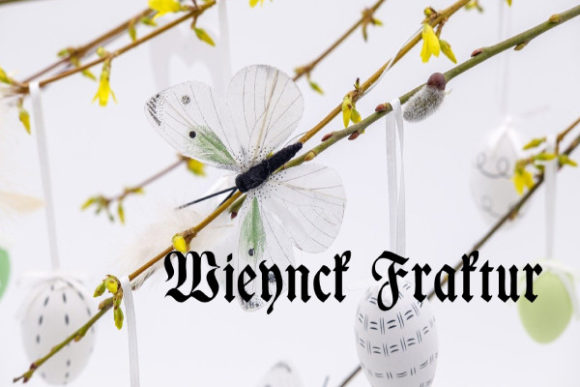
Designed by Peter Wiegel, Wieynck Fraktur draws from the rich tradition of Fraktur typefaces that dominated German printing for centuries. But this isn't a dusty historical revival. Wiegel has crafted something that respects the original blackletter aesthetic while making it usable for contemporary designers, entrepreneurs, and creators who want their work to carry weight and distinction. The letterforms are sharp, ornate, and deliberately dramatic. Every character has personality—the kind that tells a viewer before they even read the words that this brand or project takes itself seriously.
Why Blackletter Still Matters in Modern Design
Blackletter fonts occupy a unique space in the design world. They're not neutral. They carry cultural associations—heritage, craftsmanship, authority, rebellion, tradition—depending on how and where you use them. That's precisely what makes them powerful for branding and visual communication. A well-placed blackletter typeface doesn't just display text. It makes a statement about identity.
Think about the brands and products that use blackletter successfully. Craft breweries use it to signal authenticity and hand-made quality. Record labels lean into it for attitude and edge. Luxury brands tap into it for old-world elegance. Fashion labels use it for editorial drama. The common thread? These are all spaces where visual identity needs to communicate something deeper than "we sell a product." Wieynck Fraktur fits naturally into these contexts because it carries that same depth without feeling generic or overused.
What separates this particular blackletter from others you'll find in font libraries is the attention to detail in its construction. The strokes have a confident rhythm. The decorative elements—those ornate curves and angular terminals—feel intentional rather than excessive. It's a premium font that earns its place in a designer's toolkit because it solves a real problem: how do you make typography feel historic and fresh at the same time?
Practical Applications That Actually Work
Knowing a font looks impressive is one thing. Knowing where and how to deploy it is where the real value lives. Wieynck Fraktur is a display font by nature, which means it's built for headlines, logos, and short bursts of impactful text rather than body copy. Understanding that distinction is the difference between a design that feels sophisticated and one that feels cluttered.
Logo design and brand identity are probably the most natural homes for this typeface. If you're building a brand that wants to evoke tradition, craftsmanship, or a bold personality, Wieynck Fraktur gives you an immediate visual shorthand. A craft distillery, a tattoo studio, a boutique publishing house, a heritage clothing line—these are brands where a blackletter logo doesn't just look good, it tells the right story. The font's PUA encoding is a practical bonus here, giving you access to every glyph, swash, and alternate character so you can customize your lettering without needing additional software or plugins.
Packaging design is another arena where this font shines. Shelf presence matters enormously for consumer products, and blackletter typography has a proven track record of catching eyes in retail environments. Whether it's a craft beer label, artisan chocolate box, or specialty coffee bag, Wieynck Fraktur brings an artisanal quality that suggests care and intention behind the product. Pair it with a clean sans serif for product descriptions and nutritional information, and you've got a packaging hierarchy that's both beautiful and functional.
Social media graphics benefit from typefaces that cut through the noise. Every platform is saturated with content, and most of it uses the same handful of popular fonts. Dropping Wieynck Fraktur into an Instagram quote graphic, a YouTube thumbnail, or a Pinterest pin immediately sets your content apart. The key is restraint—use it for one or two words in a headline, not for entire sentences. That selective deployment creates visual interest without sacrificing readability.
For print materials like event posters, invitations, menus, and editorial layouts, this typeface brings a tactile, almost physical quality to the page. It evokes the feeling of letterpress printing, of hand-crafted documents, of something worth holding onto. Wedding invitations with a blackletter accent, restaurant menus that nod to European tradition, magazine feature headers that demand attention—these are all spaces where Wieynck Fraktur adds genuine value to the finished piece.
Getting the Pairing Right
No font exists in isolation. The real art of typography is in how typefaces work together, and Wieynck Fraktur is no exception. Because it's so visually distinctive, it needs careful pairing to avoid overwhelming a design or creating visual chaos.
A general rule with ornate display fonts: pair them with something understated. A geometric sans serif works beautifully as a counterbalance—the clean, simple letterforms let the blackletter headline breathe while keeping body text legible. Think of fonts like Montserrat, Futura, or even a simple grotesque sans serif handling your paragraphs, pricing, and supporting information while Wieynck Fraktur owns the headlines and logo.
Modern serif fonts can also work well, particularly if you want a design that feels cohesive and traditional without being monotonous. A transitional serif like Baskerville or a contemporary serif like Freight Text can bridge the gap between a dramatic blackletter heading and readable body copy. The contrast in style creates visual hierarchy, while the shared serif DNA keeps everything feeling connected.
What you generally want to avoid is pairing blackletter with other highly decorative fonts—scripts, ornate serifs, or other blackletters. The result tends to feel chaotic and amateur rather than rich and layered. Restraint in font pairing is one of those skills that separates polished design from busy design, and it's especially important when working with a typeface as visually assertive as this one.
Readability and Honest Limitations
Every honest conversation about blackletter fonts needs to address readability. Fraktur typefaces are not optimized for long-form reading by modern audiences unfamiliar with blackletter conventions. The letterforms can blur together for readers who didn't grow up with this style, and at small sizes, the ornate details can become muddy or illegible.
This doesn't mean the font is flawed. It means you need to use it with awareness of its strengths and boundaries. Wieynck Fraktur excels at large sizes—think poster headlines, logo lockups, hero section text, and banner graphics. It performs well in contexts where viewers are looking at a few words, not parsing paragraphs. If you're designing a website, use it for your H1 headings or hero text, but let a more conventional typeface handle your navigation, body copy, and product descriptions.
Testing your designs at multiple sizes and on multiple devices before finalizing is non-negotiable. What looks striking on a 27-inch monitor might become an unreadable smudge on a mobile screen. Print a physical proof if your project involves packaging or print materials. The details that make blackletter beautiful at scale are the same details that cause problems when you push the font too small.
Licensing and Practical Considerations
Before incorporating any font into a commercial project, understanding the licensing terms protects you legally and ensures the designer who created the work is fairly compensated. Wieynck Fraktur comes with specific licensing conditions that determine how you can use it—whether for personal projects, client work, merchandise, digital products, or large-scale commercial applications. Review those terms carefully before committing the font to a brand identity or product line that you plan to scale.
The PUA encoding is a genuine practical advantage worth highlighting again. Many decorative fonts include alternate characters, ligatures, and swashes that are technically present in the font file but inaccessible without specialized software. PUA-encoded fonts make every character available through standard character maps, which means you can access the full range of stylistic options regardless of what design application you're using. For small business owners or content creators who aren't working in professional design software every day, this accessibility matters.
Making It Your Own
The best typography decisions come from understanding what you want your audience to feel, then choosing the typeface that delivers that emotional response. Wieynck Fraktur isn't the right choice for every project—a fintech startup or a children's education brand probably needs something different. But for projects where tradition, boldness, craftsmanship, or visual drama align with the brand personality, this blackletter typeface delivers something that generic alternatives simply can't match.
Start with a specific project. Pick one headline, one logo concept, or one social media graphic. Set the type, explore the alternates and swashes, pair it with a complementary sans serif, and see how it changes the feeling of the entire composition. Typography is one of the most powerful tools in visual communication, and having a distinctive blackletter like this in your design assets gives you an option that most creators overlook. That alone can be the edge that makes your work memorable.